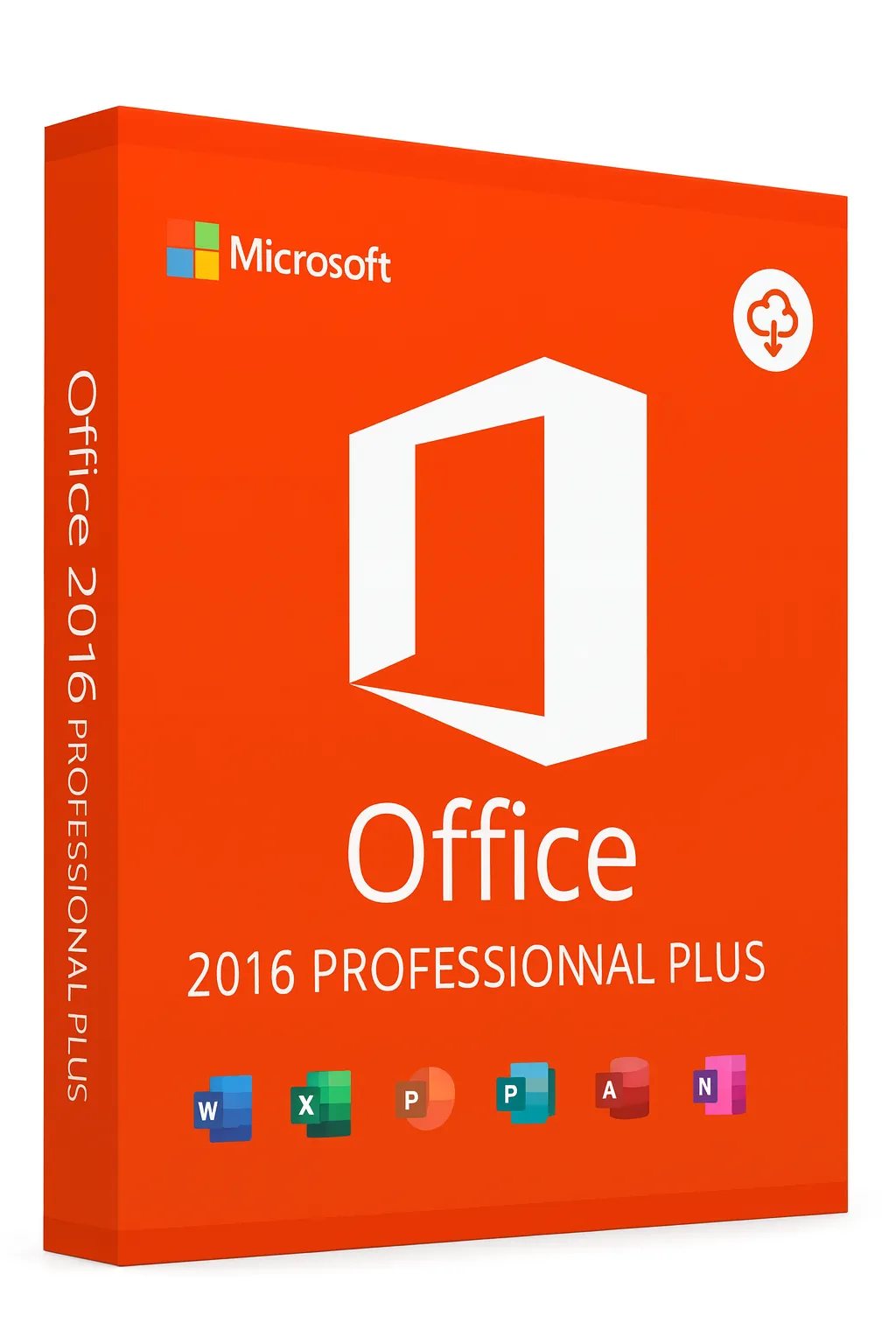
Office 2016 End of Support Explained
What you need to know about Office 2016 support lifecycle and your options
Microsoft Office 2016 has reached its end of extended support as of October 14, 2025. This means no more security updates, bug fixes, or technical support. Understanding what this means for you and your options is crucial for maintaining security and productivity.
Support Lifecycle Timeline
September 22, 2015
Office 2016 Released
Microsoft officially released Office 2016 to the public.
October 13, 2020
Mainstream Support Ended
No more free feature updates or design changes. Only security updates continue.
October 14, 2025
Extended Support Ends
No more security updates, patches, or technical support of any kind.
What End of Support Means
No Security Updates
Microsoft will no longer release patches for newly discovered vulnerabilities, leaving your system exposed to potential threats.
No Bug Fixes
Any bugs or issues discovered after the end date will not be fixed, potentially affecting your productivity.
No Technical Support
Microsoft support will no longer help with Office 2016 issues. You'll be on your own for troubleshooting.
Compliance Risks
Using unsupported software may violate compliance requirements for industries like healthcare, finance, and government.
Security Risks of Unsupported Software
- Vulnerability to new malware and ransomware attacks
- Potential data breaches through unpatched exploits
- Risk of zero-day attacks with no available fixes
- Incompatibility with newer security protocols
- Possible failure of third-party security tools
- Insurance and liability concerns for businesses
Will Office 2016 Still Work?
Yes, Office 2016 will continue to function after support ends, but with important caveats:
Your Upgrade Options
Microsoft 365
SubscriptionAlways-current Office with cloud features, regular updates, and 1TB OneDrive storage.
Best for: Users who want the latest features and cloud integration
Pros
- •Latest features always
- •Cloud storage included
- •Multi-device support
- •Regular security updates
Cons
- •Ongoing subscription cost
- •Requires internet for some features
Office 2021
One-Time PurchasePerpetual license with features frozen at the 2021 version. Supported until October 2026.
Best for: Users who prefer one-time purchase and don't need latest features
Pros
- •One-time payment
- •No subscription needed
- •Familiar interface
Cons
- •No new features
- •Support ends in 2026
- •No cloud benefits
Office 2024
One-Time PurchaseNewest perpetual version with updated features and extended support.
Best for: Users wanting newest features without subscription
Pros
- •Latest perpetual version
- •One-time payment
- •Long support lifecycle
Cons
- •Higher upfront cost
- •Features frozen at release
Free Alternatives
FreeLibreOffice, Google Docs, or Office Online offer free alternatives with varying compatibility.
Best for: Budget-conscious users with basic needs
Pros
- •No cost
- •Regular updates
- •Cross-platform
Cons
- •Learning curve
- •Possible compatibility issues
- •Different features
Our Recommendation
For most users, we recommend upgrading to either Microsoft 365 (for the best ongoing experience) or Office 2021/2024 (for a one-time purchase). Continuing to use Office 2016 after October 2025 puts your data and systems at risk.
Action Steps to Take Now
Evaluate Your Needs
Assess which Office applications you use and what features are essential for your work.
Backup Your Data
Export your Outlook data, save custom templates, and backup important documents before any transition.
Choose Your Path
Decide between Microsoft 365 subscription, Office 2021/2024 purchase, or free alternatives.
Plan the Transition
Schedule the upgrade during low-activity periods and allow time for adjustment to any new features.
Execute and Verify
Install your new Office version, migrate your settings and data, and verify everything works correctly.
Frequently Asked Questions
Can I still buy Office 2016?
Microsoft no longer sells Office 2016 directly. Some third-party sellers may still have keys available, but be cautious of legitimacy and remember support has ended.
Will my files stop working?
No, your existing files will continue to work. You can still open, edit, and save documents in all Office formats.
Is it illegal to use Office 2016 after support ends?
No, it's not illegal. You own a valid license and can continue using it. However, your organization may have compliance requirements that necessitate supported software.
Will Office 2016 work with Windows 11?
Office 2016 is not officially supported on Windows 11, though it may work. Microsoft recommends using a supported Office version for full compatibility.
Can I transfer my Office 2016 license to a new computer?
If you have a retail license, yes. Deactivate on your old PC first, then install and activate on the new one with your product key.
What about my Outlook emails and data?
Your data remains intact and accessible. However, future changes to email protocols or security standards could eventually cause connectivity issues.
Need Help With Your Upgrade?
Browse our selection of genuine Microsoft Office licenses with instant delivery and activation support.
View Office ProductsRelated Guides
Related Office 2016 Guides